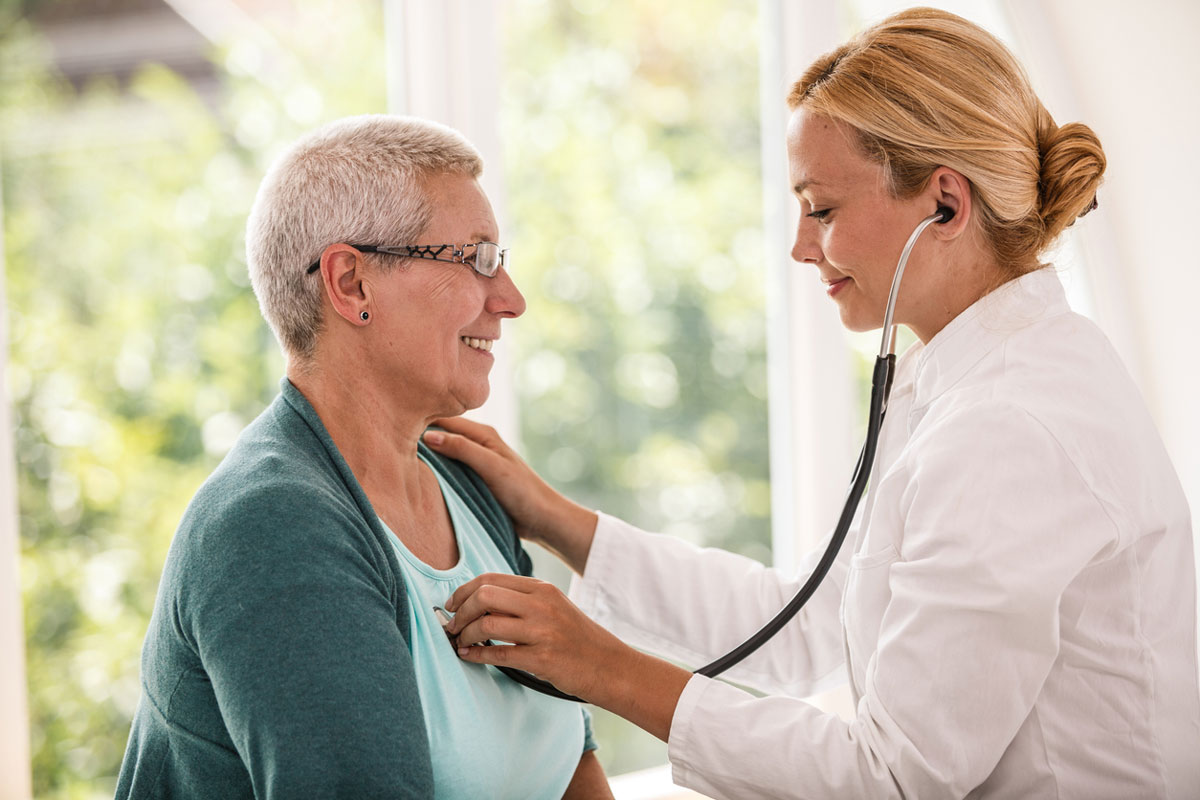
Women and Heart Disease
Women and Heart Disease: A Silent Threat and How to Stay Protected
Heart disease is often seen as a condition that primarily affects men. However, the truth is that women are just as susceptible to heart disease, and the risk often increases as they age. In fact, heart disease is the leading cause of death among women worldwide. It’s a silent threat that may not show symptoms until it’s too late, making awareness and prevention even more crucial.
At INOPS Medical Group, we believe that understanding heart disease and knowing how to reduce your risk can empower women to take control of their health. In this blog, we will explore the unique ways in which heart disease affects women, the risk factors to be aware of, and steps you can take to stay heart-healthy.
The Impact of Heart Disease on Women
Women often experience heart disease differently from men. The symptoms and risk factors may not be as apparent, making it harder to diagnose early. For example, women are more likely to have "silent" heart attacks with fewer recognizable symptoms. Unlike the classic chest pain that men experience, women may feel nausea, dizziness, or shortness of breath, which are often attributed to other health issues.
Additionally, certain types of heart disease, such as coronary artery disease, are more likely to affect women later in life, particularly after menopause. Estrogen, which helps protect women against heart disease, decreases as women age, making them more vulnerable to conditions like high blood pressure, high cholesterol, and heart disease.
Risk Factors for Heart Disease in Women
Several factors contribute to the increased risk of heart disease in women. Some of these are similar to those in men, while others are unique to women.
High Blood Pressure (Hypertension): High blood pressure is one of the leading causes of heart disease in both men and women. Women who have high blood pressure are more likely to suffer from heart attacks, strokes, and other heart complications. Regular blood pressure checks are essential for women, especially as they age.
Diabetes: Women with diabetes have a much higher risk of developing heart disease than men with diabetes. High blood sugar levels damage blood vessels and increase the likelihood of heart problems. Managing diabetes through a balanced diet, regular exercise, and medication is critical in reducing heart disease risk.
High Cholesterol: Elevated levels of cholesterol in the blood can lead to the buildup of plaque in the arteries, increasing the risk of heart disease. Women should regularly monitor their cholesterol levels to ensure they stay within healthy limits.
Obesity: Excess weight places additional strain on the heart and increases the risk of heart disease. Being overweight or obese can lead to other risk factors, such as high blood pressure, high cholesterol, and diabetes. Maintaining a healthy weight through proper nutrition and physical activity is essential for heart health.
Smoking: Smoking is a major risk factor for heart disease. It damages blood vessels, reduces oxygen flow to the heart, and increases the risk of clot formation. Women who smoke are at a much higher risk of heart disease and other cardiovascular issues.
Stress and Mental Health: Chronic stress, anxiety, and depression can contribute to the development of heart disease. Stress hormones can increase blood pressure, damage blood vessels, and lead to unhealthy lifestyle choices such as overeating or smoking. It's important for women to address mental health concerns to protect their heart health.
Hormonal Changes: Hormonal changes during menopause increase the risk of heart disease. As estrogen levels drop, women become more susceptible to high cholesterol, high blood pressure, and other cardiovascular problems. Regular check-ups and preventive care are crucial during this time.
Family History: A family history of heart disease increases the likelihood of developing heart problems. If your parents or siblings have had heart disease, it’s important to talk to your doctor about preventive measures and early screenings.
Pregnancy Complications: Women who have experienced pregnancy complications, such as gestational diabetes or preeclampsia, are at an increased risk for heart disease later in life. Regular monitoring of heart health is essential for these women to catch any early signs of cardiovascular problems.
Symptoms of Heart Disease in Women
Unlike men, who often experience the classic symptom of chest pain, women may have more subtle signs of heart disease. Recognizing these symptoms early can help save lives.
Some common heart disease symptoms in women include:
Unexplained shortness of breath
Chest discomfort or tightness
Fatigue or unusual tiredness
Pain or discomfort in the jaw, neck, back, or stomach
Nausea or vomiting
Dizziness or lightheadedness
Cold sweats
These symptoms can be easy to overlook or misinterpret, which is why it’s essential for women to be proactive about their health. If you experience any of these symptoms, it's important to seek medical attention immediately.
Preventing Heart Disease: Tips for Women
While heart disease can be a significant concern, the good news is that it is largely preventable. Making healthy lifestyle choices and managing risk factors can significantly reduce your risk of heart disease. Here are some practical steps you can take:
Eat a Heart-Healthy Diet: Focus on a balanced diet rich in fruits, vegetables, whole grains, lean proteins, and healthy fats. Limit your intake of saturated fats, sodium, and processed foods. Foods rich in omega-3 fatty acids, such as fish, nuts, and seeds, are great for heart health.
Exercise Regularly: Aim for at least 150 minutes of moderate-intensity aerobic exercise each week. Activities like walking, swimming, or cycling can improve cardiovascular health, reduce weight, and lower blood pressure.
Maintain a Healthy Weight: Losing even a small amount of weight can have a positive effect on your heart health. Regular exercise and a healthy diet are key to maintaining a healthy weight.
Quit Smoking: If you smoke, quitting is one of the most important steps you can take to improve your heart health. Smoking cessation programs, medications, and support groups can help you quit.
Manage Stress: Find ways to relax and manage stress. Meditation, yoga, deep breathing exercises, and hobbies that bring you joy can help reduce the effects of stress on your heart.
Regular Health Screenings: Regular check-ups with your doctor are essential for monitoring blood pressure, cholesterol levels, and blood sugar. Early detection of any potential problems can help prevent heart disease.
Know Your Family History: If you have a family history of heart disease, inform your doctor so they can tailor preventive measures and screenings to your specific risk factors.
Protecting Your Heart with INOPS Medical Group
Heart disease is a significant health concern for women, but with the right knowledge and lifestyle choices, it is preventable. By understanding the unique risks women face and taking steps to address them, you can protect your heart and ensure a healthy future.
At INOPS Medical Group, we are committed to helping women take control of their heart health. Our team of healthcare professionals offers personalized care, from regular screenings to advice on nutrition, exercise, and stress management. If you’re concerned about your heart health or want to learn more about prevention, don’t hesitate to schedule an appointment with us.
Call us today at 📞 609-542-1948 to schedule a consultation and take the first step towards a healthier heart.