High blood pressure
High blood pressure, or hypertension, is a serious condition. If untreated, it can lead to life-threatening issues. People often call it the ‘silent killer.
This is because it usually doesn't show symptoms until damage has occurred. If your blood pressure readings are often high, it’s important to act.
At Inops Medical Group, we know how crucial it is to check and manage blood pressure. We provide blood pressure screenings and help manage hypertension. This way, you can keep your heart healthy and avoid complications.
What is high blood pressure?
Blood pressure refers to the force with which your blood flows through your arteries. It's measured using two numbers:
Systolic pressure: The top number, which measures the pressure when your heart beats.
Diastolic pressure: This is the lower number. It shows the pressure when your heart rests between beats.
A normal blood pressure reading is 120/80 mmHg or lower. Elevated blood pressure (prehypertension) is between 120-129/less than 80 mmHg. Blood pressure is high, or hypertension, when readings are 140/90 mmHg or more.
High blood pressure over time can harm your arteries and organs. This raises your risk for heart disease, stroke, kidney damage, and more.
What Causes High Blood Pressure?
Many factors can lead to high blood pressure. Some are controllable, while others are not. Here are some of the most common causes:
Genetics: A family history of high blood pressure can increase your risk.
Poor Diet: A diet high in sodium (salt) and unhealthy fats can cause hypertension. It often lacks essential nutrients.
Lack of Physical Activity: Not exercising enough can lead to weight gain. This can also raise blood pressure.
Stress: Ongoing stress can make your heart race and tighten blood vessels. This raises blood pressure.
Excessive Alcohol Consumption: Drinking too much alcohol can raise blood pressure.
Smoking damages blood vessels and can cause an increase in blood pressure.
Chronic Conditions: Other health issues, such as diabetes, sleep apnea, and kidney disease, can also increase blood pressure.
You can’t change your genes, but you can control your blood pressure through healthy eating and an active lifestyle.
The Dangers of High Blood Pressure
High blood pressure puts extra strain on your heart and blood vessels. Over time, this can cause serious health problems, including:
Heart Disease: High blood pressure can cause heart failure. It damages the heart's ability to pump blood well. Coronary artery disease can occur.
Narrowed blood vessels reduce the blood supply to your heart. Plaque builds up in those vessels.
Stroke: High blood pressure is a leading risk factor for stroke. It can harm the blood vessels in your brain. This raises the chances of blood clots and blockages.
Kidney Damage: Hypertension can harm the tiny blood vessels in the kidneys. This can lead to kidney disease or even kidney failure.
Vision Loss: High blood pressure can harm the blood vessels in the eyes. This may cause retinopathy and, if untreated, can lead to vision loss.
Aneurysm: Long-term high blood pressure can cause an aneurysm. This is a bulge in a blood vessel. If it ruptures, it can lead to serious internal bleeding.
The good news is that you can often control or prevent high blood pressure. Simple lifestyle changes and medical help can make a big difference. Regular monitoring and early intervention are key.
Recognizing High Blood Pressure Symptoms
Many people with high blood pressure don't have symptoms. That’s why people call it a ‘silent’ condition. But, when blood pressure reaches a dangerous level, you may experience the following symptoms:
Severe headaches
Shortness of breath
Chest pain
Blurred vision
Dizziness or light-headedness
If you have any of these symptoms, get medical help right away. These could be signs of a hypertensive crisis. This needs urgent treatment to prevent serious complications.
How to Check Your Blood Pressure at Home
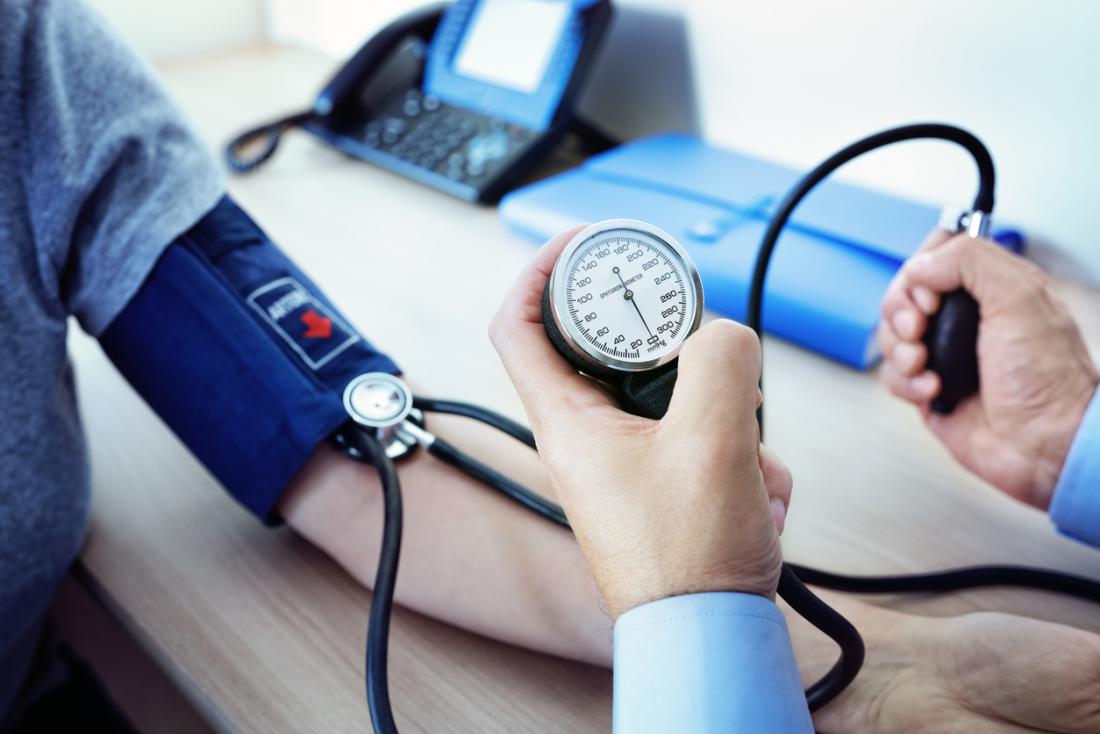
Measuring your blood pressure at consistent intervals is an effective method to check your health. It helps you spot any changes early.
Many pharmacies, healthcare providers, and some stores sell automatic blood pressure monitors. You can use these at home. Here's how to get an accurate reading:
Choose the right equipment: Use a reliable and calibrated blood pressure checker.
Take measurements at the same time each day; consistency is key. Check your blood pressure at the same time each day. It’s best to do this in the morning, before you eat or drink anything.
Keep a log: Record your readings and bring them to your doctor to help with diagnosis and treatment.
Stay Calm: Make sure you’re relaxed when measuring your blood pressure. Stress can skew your results.
Lifestyle Changes to Lower Blood Pressure
Small lifestyle changes can significantly reduce or even prevent high blood pressure. Here are a few strategies to help you maintain healthy blood pressure levels:
Eat a Balanced Diet: Focus on a diet rich in fruits, vegetables, whole grains, and lean proteins. Reduce your intake of sodium (salt), and avoid processed foods.
Exercise Regularly: Try to get at least 30 minutes of moderate activity on most days. Exercise helps strengthen the heart and reduce overall blood pressure.
Limit Alcohol and Quit Smoking: Reducing alcohol intake and quitting smoking can lower blood pressure. This also cuts your risk of heart disease.
Manage Stress: Use stress-busting methods like deep breathing, yoga, or meditation. These can help keep your blood pressure in check.
Get enough sleep: Aim for 7-8 hours of quality sleep each night. Poor sleep can contribute to high blood pressure.
Medical Treatments for High Blood Pressure
If lifestyle changes don’t lower your blood pressure, there are medical treatments you can try. These include:
Medications: Common drugs for high blood pressure are diuretics, ACE inhibitors, beta-blockers, and calcium channel blockers. Your doctor will determine which medication is right for you.
Regular Check-ups: Checking your blood pressure often is key. Also, visit your healthcare provider regularly. This helps track your progress and adjust your treatment plan when needed.
When to Seek Help
Talk to a healthcare provider if you often see high blood pressure readings or have concerning symptoms. At Inops Medical Group, we provide blood pressure screenings, medical evaluations, and specialized treatments. These services help you control hypertension and lower your risk of serious health problems.
Contact Inops Medical Group Today
If you’re worried about your blood pressure or want to schedule a screening, Inops Medical Group can help. Call us at 609-542-1948 or use our online appointment system to schedule a consultation. Our expert team is here to help you reach and keep healthy blood pressure levels.