Manage or Reverse Type 2 Diabetes Effectively
Can I Get Rid of My Diabetes or Only Manage It?

Diabetes affects millions of people worldwide. In the U.S. alone, over 122 million people have Type 2 diabetes or are at risk due to prediabetes. After a diabetes diagnosis, many people ask, ‘Can I get rid of my diabetes?
At Inops Medical Group, we understand this question well. The good news is that in some cases, it’s possible to reverse Type 2 diabetes. By combining healthy lifestyle changes, proper medication, and professional care, you can manage or even reverse your diabetes
Every person’s journey is unique, and our team is here to help you take the right steps to improve your health.
Understanding Diabetes: Types and Causes
Diabetes is a chronic condition that affects how your body processes glucose (sugar) in your blood. It happens when your body doesn’t produce enough insulin or can’t use it properly. Insulin helps control blood sugar levels.
There are three main types of diabetes:
Type 1 Diabetes (Juvenile Diabetes)
Type 1 diabetes usually begins in childhood or adolescence. The immune system attacks the insulin-producing cells in the pancreas. Type 1 diabetes cannot be reversed, unlike Type 2 diabetes. People with this condition need insulin therapy for life to manage their blood sugar.
Type 2 Diabetes (Insulin Resistance)
Type 2 diabetes is the most common form. It usually develops later in life, though more young people are being diagnosed due to poor lifestyle habits. It occurs when the body becomes resistant to insulin or doesn’t make enough.
The good news is that making healthy changes early can help prevent or even reverse Type 2 diabetes.
Gestational Diabetes
Gestational diabetes develops during pregnancy and usually goes away after childbirth. However, it increases the risk of Type 2 diabetes later in life for both mother and child.
Can Type 2 Diabetes Be Reversed?
One of the most common questions we hear is: Can I get rid of Type 2 diabetes?
The answer: You can manage Type 2 diabetes, and in some cases, it can go into remission.
Remission means your blood sugar levels stay in the normal range without medication. While this doesn’t mean a permanent cure, it’s a major step toward better health.
Your chances of reversing diabetes depend on several factors:
Early diagnosis: The sooner you act, the better your chances of remission.
Weight loss: Losing weight improves insulin sensitivity and lowers blood sugar.
Regular exercise: Physical activity helps your body use insulin more effectively.
Healthy diet: A balanced diet supports blood sugar control.
Medication: Some people may still need medication or insulin to stay stable.

Managing Type 2 Diabetes: Steps Toward Control and Reversal
Here are key steps to help you manage—or possibly reverse—Type 2 diabetes:
1. Stay Active
Exercise is one of the most effective ways to manage diabetes. It helps control blood sugar and improves how your body uses insulin.
Aim for at least 30 minutes of moderate activity five days a week.
Great exercise options include:
Walking
Cycling
Swimming
Yoga
Strength training
Even a short walk after meals can lower blood sugar levels.
2. Follow a Diabetes-Friendly Diet
Your diet plays a huge role in controlling blood sugar. Choose foods that are rich in nutrients and low in processed sugars.
Tips for a healthy diabetes diet:
Limit sugar and refined carbs – Avoid sweetened drinks, desserts, and white bread.
Eat more fiber – Whole grains, vegetables, legumes, and fruits help regulate blood sugar.
Balance your meals – Include lean proteins, healthy fats, and complex carbs in each meal.
3. Maintain a Healthy Weight
Losing even 5–10% of your body weight can make a big difference. It improves insulin sensitivity and reduces stress on your pancreas. Maintaining a healthy weight also helps manage cholesterol and blood pressure.
4. Monitor Your Blood Sugar
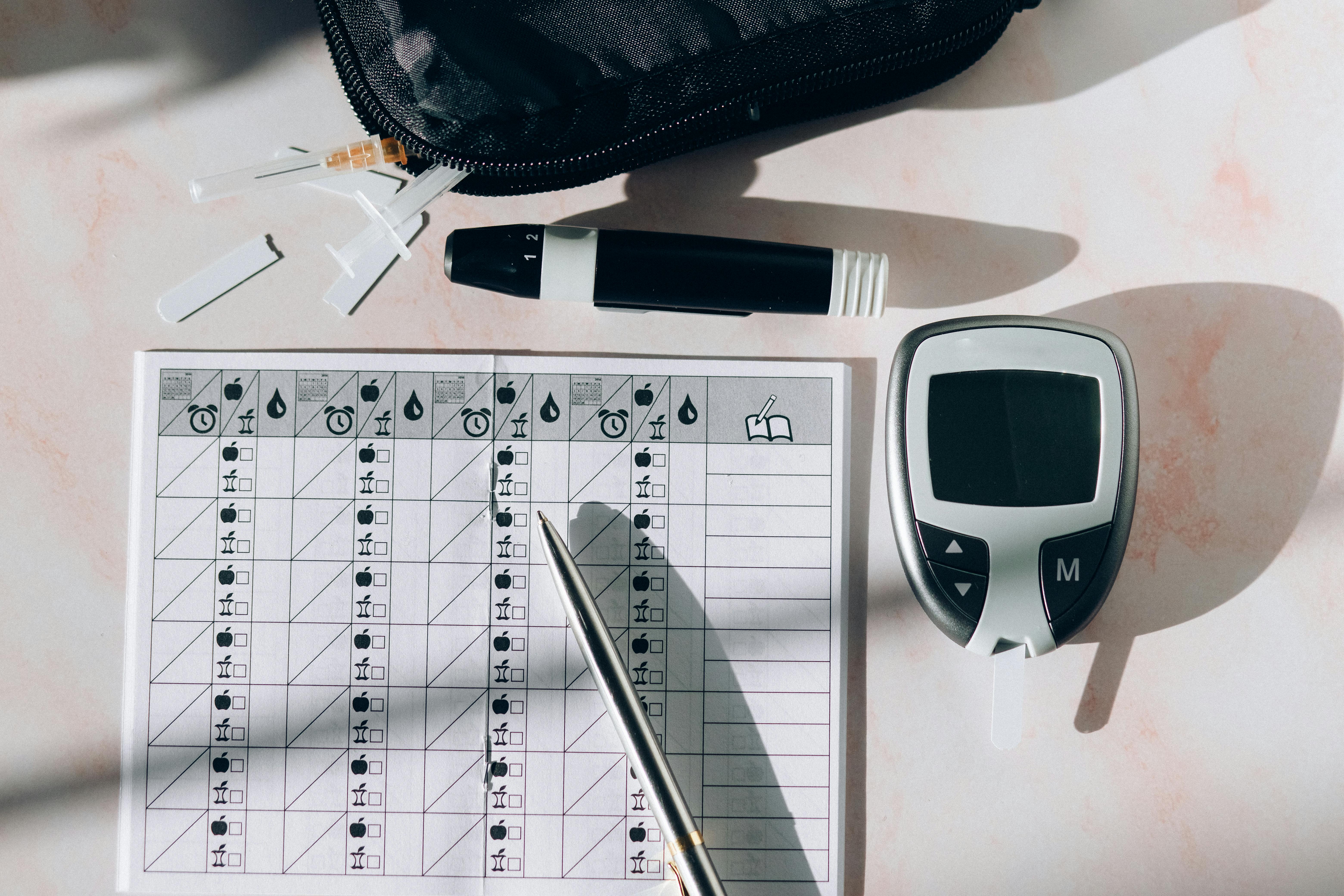
Check your blood sugar regularly. This helps you understand how food, activity, and medication affect your levels. Keep a log and share it with your healthcare provider so they can adjust your plan if needed.
5. Take Medications as Prescribed
Sometimes, lifestyle changes aren’t enough to keep blood sugar in range. If your doctor prescribes medication such as metformin, SGLT2 inhibitors, or insulin, take them as directed.
If you experience side effects or concerns, discuss them with your provider instead of stopping medication on your own.
The Importance of Professional Support
Managing or reversing diabetes takes consistent effort and support. At Inops Medical Group, our specialists work with you to build a personalized diabetes care plan. We provide:
Diabetes screenings
Nutrition and exercise guidance
Medication management
Ongoing education and support
Our goal is to help you control your diabetes and live a healthier, more active life.
Get Started with Inops Medical Group
If you have Type 2 diabetes or are worried about high blood sugar, we can help. Our team will create a customized plan to manage—and possibly reverse—your diabetes.
📞 Call us today at 609-542-1948 or book your appointment online.
Start your journey toward better health with Inops Medical Group—your partner in diabetes care and wellness.
Visit our sites : https://inopsmedgroup.com/