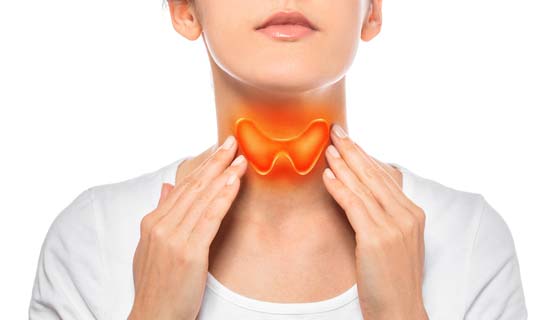
Do You Have a Thyroid Problem
Do You Have a Thyroid Problem? Causes, Symptoms, Diagnosis, and Treatment | INOPS Medical Group
Your thyroid might be small, but it plays a massive role in controlling your body’s metabolism, energy, and mood. When something goes wrong with this butterfly-shaped gland in your neck, it can trigger a wide range of health issues — from unexplained weight gain and fatigue to anxiety and irregular heartbeat. Millions of people in the United States live with a thyroid problem without realizing it, often mistaking symptoms for stress or aging.
At INOPS Medical Group, we understand how complex and confusing thyroid conditions can be. Our dedicated primary care and endocrine-focused providers in New Jersey take a patient-centered approach, ensuring you receive the right diagnosis, treatment, and ongoing support.
In this comprehensive guide, you’ll learn what thyroid disorders are, what symptoms to watch for, and how proper testing and personalized care can restore your health and balance.
What Is the Thyroid and Why Is It Important?
The thyroid gland is located at the front of your neck, just below the Adam’s apple. It produces hormones — mainly thyroxine (T4) and triiodothyronine (T3) — that regulate your body’s metabolism, energy production, heart rate, digestion, and even mood.
When the thyroid doesn’t function properly, two major disorders can develop:
Hypothyroidism – when the thyroid gland is underactive and produces too little thyroid hormone.
Hyperthyroidism – when the thyroid gland is overactive and produces too much hormone.
Even small imbalances in thyroid hormone levels can cause significant changes in how you feel and function daily.
Common Thyroid Problems
1. Hypothyroidism (Underactive Thyroid)
This is the most common thyroid disorder, particularly in women and older adults.
Causes include:
Autoimmune disease (Hashimoto’s thyroiditis)
Iodine deficiency
Certain medications
Thyroid surgery or radiation therapy
Symptoms of hypothyroidism:
Unexplained weight gain
Constant fatigue or sluggishness
Cold intolerance
Dry skin and brittle nails
Hair thinning
Depression or brain fog
Constipation
Irregular or heavy menstrual cycles
2. Hyperthyroidism (Overactive Thyroid)
When your thyroid produces too much hormone, your body’s metabolism speeds up.
Common causes include Graves’ disease, thyroid nodules, or thyroid inflammation (thyroiditis).
Symptoms of hyperthyroidism:
Sudden weight loss despite normal eating habits
Rapid or irregular heartbeat
Nervousness, anxiety, or irritability
Excessive sweating
Tremors in hands or fingers
Difficulty sleeping
Muscle weakness
Increased bowel movements
3. Goiter
An enlarged thyroid gland, often visible as a swelling in the neck, can occur with both overactive and underactive thyroid disorders.
4. Thyroid Nodules
Lumps or growths in the thyroid gland are common, and most are benign. However, some may require further evaluation to rule out thyroid cancer.
5. Thyroid Cancer
Although less common, thyroid cancer rates have been increasing. Early detection and treatment are highly effective. Regular screenings and imaging tests play a crucial role in identifying thyroid abnormalities.
Who Is at Risk for Thyroid Disease?
Thyroid problems can affect anyone, but some factors increase your risk:
Women over age 40
Family history of thyroid disease
Autoimmune conditions (like type 1 diabetes or lupus)
Pregnancy or postpartum period
Previous neck radiation or thyroid surgery
Iodine imbalance in diet
If you fall into one or more of these categories, it’s important to schedule a thyroid screening at INOPS Medical Group. Early detection allows for better control and improved quality of life.
How Is a Thyroid Problem Diagnosed?
Diagnosis begins with a combination of physical examination, medical history review, and thyroid blood tests.
Key Diagnostic Tests Include:
TSH (Thyroid-Stimulating Hormone):
Measures how much your thyroid is being prompted to work. Elevated TSH suggests hypothyroidism; low TSH points toward hyperthyroidism.Free T4 and Free T3 Tests:
Check for circulating thyroid hormones to assess overall gland function.Thyroid Antibody Tests:
Identify autoimmune causes such as Hashimoto’s or Graves’ disease.Ultrasound Imaging:
Detects nodules, cysts, or structural changes in the thyroid gland.Radioactive Iodine Uptake Test (RAIU):
Evaluates how the thyroid absorbs iodine to produce hormones.
At INOPS Medical Group, our care team uses advanced diagnostic methods to accurately identify thyroid disorders. We don’t just look at lab results — we assess symptom patterns, lifestyle, and metabolic health to design a tailored treatment plan.
Treatment Options for Thyroid Disorders
Treatment depends on whether your thyroid is overactive, underactive, or structurally abnormal.
For Hypothyroidism:
The standard treatment is thyroid hormone replacement therapy (usually levothyroxine). This restores hormone balance, easing symptoms like fatigue and slow metabolism.
At INOPS, your provider will monitor TSH levels regularly to ensure your medication dosage keeps you in the optimal range.
For Hyperthyroidism:
Treatment options include:
Antithyroid medications (like methimazole) to reduce hormone production
Radioactive iodine therapy to shrink the thyroid gland
Surgery (thyroidectomy) in rare or resistant cases
We also focus on nutritional counseling and lifestyle adjustments, as thyroid health is closely connected to your diet, stress, and sleep.
For Goiters or Nodules:
Depending on their size and impact, treatments may include observation, medication, or minimally invasive procedures.
The Connection Between Thyroid and Other Health Conditions
Your thyroid influences nearly every system in your body. When it’s not functioning properly, you may experience complications such as:
High cholesterol and heart disease (with hypothyroidism)
Osteoporosis and irregular heart rhythms (with hyperthyroidism)
Fertility problems or pregnancy complications
Mental health changes, including anxiety and depression
Chronic fatigue syndrome or metabolic slowdown
That’s why comprehensive care is essential — and why INOPS Medical Group emphasizes preventive screenings and integrative care plans.
Lifestyle Tips to Support Thyroid Health
Beyond medication, adopting certain habits can support your thyroid and overall well-being.
Eat a balanced, nutrient-rich diet
Include foods with selenium (Brazil nuts, eggs), zinc (seafood, pumpkin seeds), and iodine (seaweed, iodized salt).Avoid excessive processed foods and sugar
They can increase inflammation and interfere with hormone balance.Manage stress effectively
Chronic stress raises cortisol levels, which can suppress thyroid function.Get adequate sleep
Aim for 7–8 hours per night to help regulate metabolism and hormones.Exercise regularly
Moderate activity helps balance thyroid hormones and boosts mood.Schedule annual health checkups
Regular screenings at INOPS Medical Group can detect thyroid imbalances before symptoms worsen.
Why Choose INOPS Medical Group for Thyroid Care
At INOPS Medical Group, our board-certified healthcare professionals combine clinical expertise with compassionate, patient-centered care.
We provide:
Comprehensive diagnostic testing for thyroid disorders
Personalized treatment plans that fit your health and lifestyle
Chronic disease management for related conditions such as diabetes, obesity, and high cholesterol
Preventive care and wellness guidance to help you stay healthy long-term
With offices in Fair Lawn, Lawrenceville, and Union, New Jersey, we make quality healthcare accessible across the region. Whether you’re struggling with symptoms of hypothyroidism, hyperthyroidism, or thyroid nodules, our team ensures you get the expert attention you deserve.
Appointments are limited — call 📞 609-542-1948 or visit our Patient Portal today to schedule your thyroid consultation.
When to See a Doctor About a Thyroid Problem
If you notice persistent fatigue, unexpected weight changes, mood swings, or neck swelling, don’t ignore them. These may be signs of a thyroid disorder. The earlier it’s diagnosed, the easier it is to treat and manage effectively.
At INOPS Medical Group, we’ll help you:
Identify the cause of your symptoms
Perform complete thyroid function tests
Create a customized treatment and follow-up plan
Support you in achieving hormonal balance and lasting wellness
Your health deserves precision care — not a quick fix. Partner with INOPS today and take control of your thyroid health.
Regain Balance and Energy Through Thyroid Care
A healthy thyroid is essential for a healthy life. Whether your thyroid is working overtime or slowing down, the key is understanding your symptoms and acting early. With proper diagnosis, targeted treatment, and lifestyle guidance, you can restore balance and reclaim your energy.
At INOPS Medical Group, our experienced providers are here to guide you every step of the way — from testing and treatment to long-term preventive care.
Your journey to better thyroid health starts here.
📞 Call 609-542-1948 or schedule an appointment online to begin your personalized care plan with INOPS Medical Group today.